Local News: Reporting and Context 2026

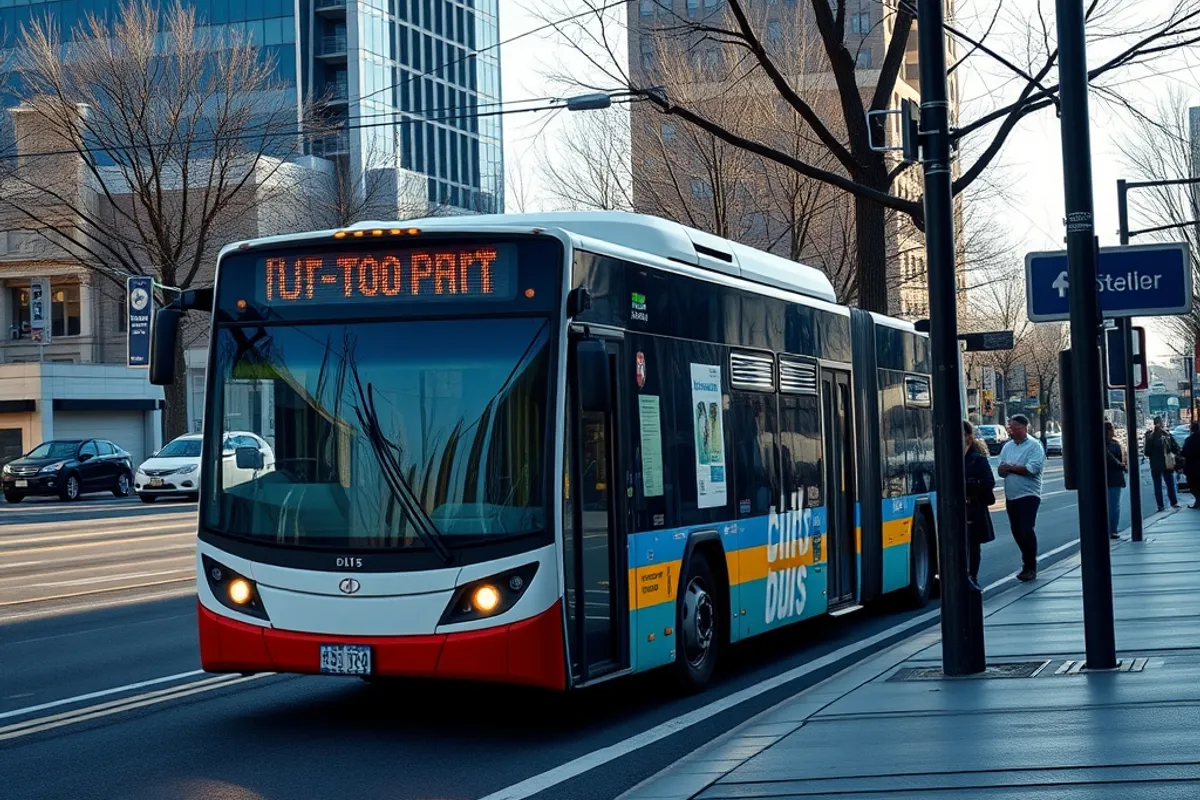
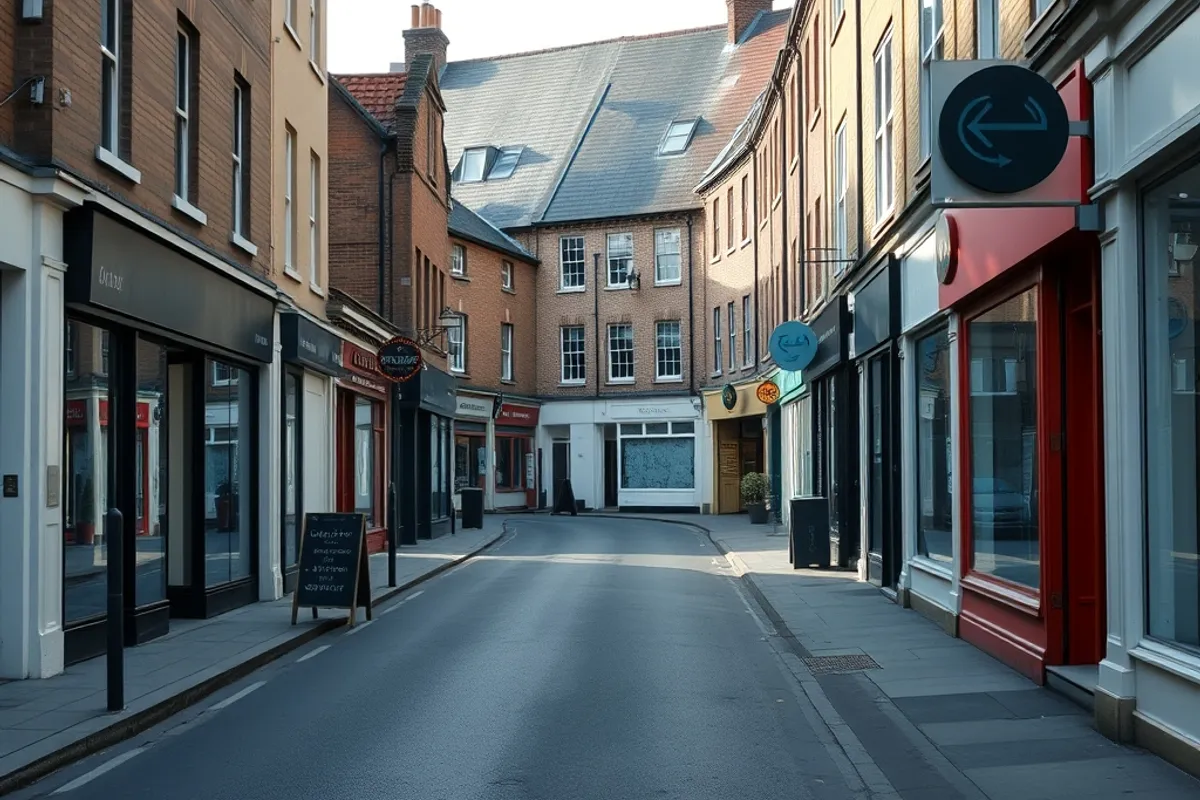
Local news is often treated as the smallest beat. In practice it is where public money becomes a bus route, a repaired pavement or an empty shop that finally opens. This section covers the practical changes residents can see, use and question.
Every story in this section follows the same standard: name the sources, separate confirmed facts from expectations, and explain who is affected. We read the primary documents, check the numbers and update the record when a developing story changes. When we cannot verify a claim, we attribute it rather than present it as fact.
How we cover local news
Our reporting starts with the public record: budgets, official statistics, published plans, court filings and transcripts. We add interviews and local detail where we can, and we cross-check figures before publication. The aim is to give you enough context to form a view, not to tell you what to think.
We look for three things in every story: a clear change that affects people, an evidence trail that can be checked, and a practical next step for readers. A story that cannot meet those tests waits until it can. That discipline is slower than chasing every headline, but it produces coverage you can use.
Where a figure can be checked against an official source, we link to it so you can verify it yourself. For international comparisons we use named agencies and reputable local outlets, and for local stories we point to the responsible council, agency or document. That habit keeps our reporting honest and gives you the evidence to make your own call.
Start with the two stories below, then follow the internal links into related sections. Each article stands alone but also fits a wider picture: a trade decision affects prices, a housing rule affects local streets, and a school policy affects families for years. Read across sections and let the evidence settle the question.