
Local Transit Upgrades 2026: What Riders Gain and What It Costs
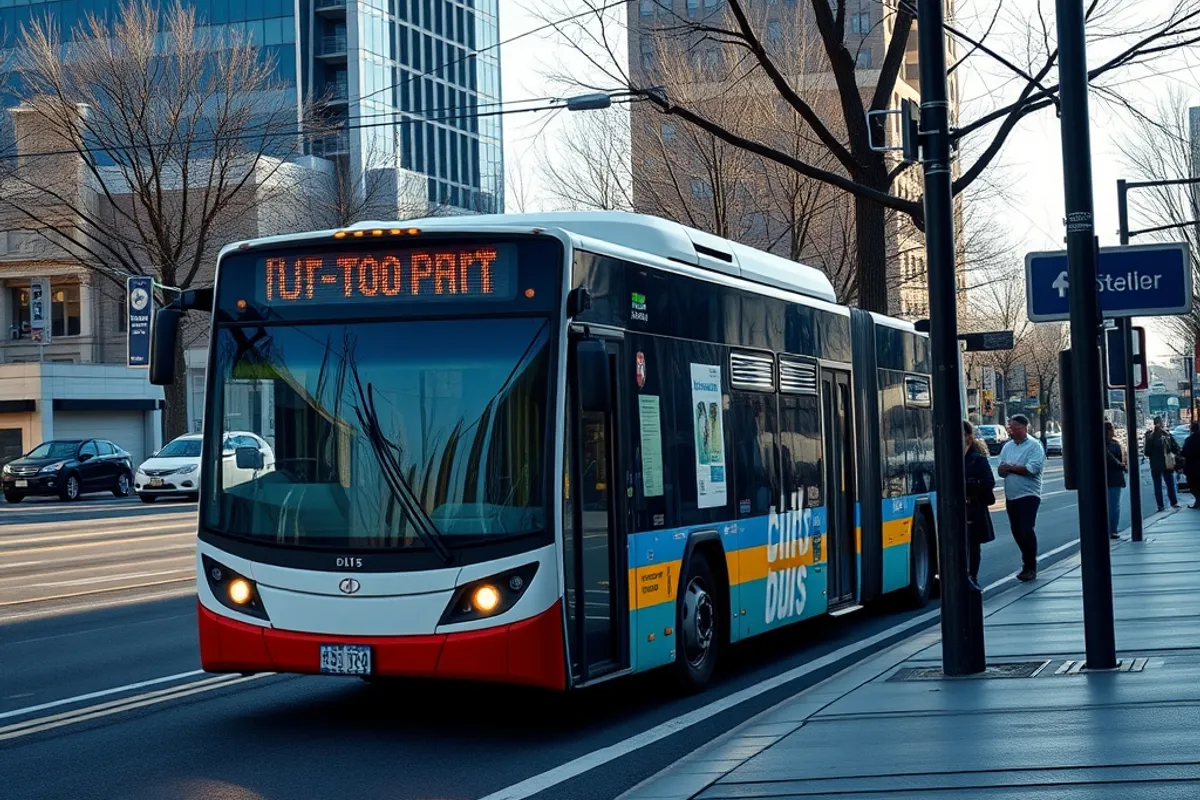
Local transport projects rarely make international news, but they decide how millions of people spend an hour of every working day. In 2026 several cities are opening bus lanes, rebuilding stations and changing fares at the same time. The benefits are real, yet so is the disruption during construction. The useful question for riders is not whether a project is good in principle, but what changes on their route this year and who pays for it.
Bus lanes are the cheapest speed boost
A painted bus lane costs a fraction of a rail line and can cut journey times within months. The effect depends on enforcement: a lane blocked by parked cars delivers none of the promised benefit. Cities that combine the lane with camera enforcement and priority at traffic lights see the most reliable improvement. Riders should look for a published timetable after the change, not just an announcement before it.
Station upgrades: better access, longer waits
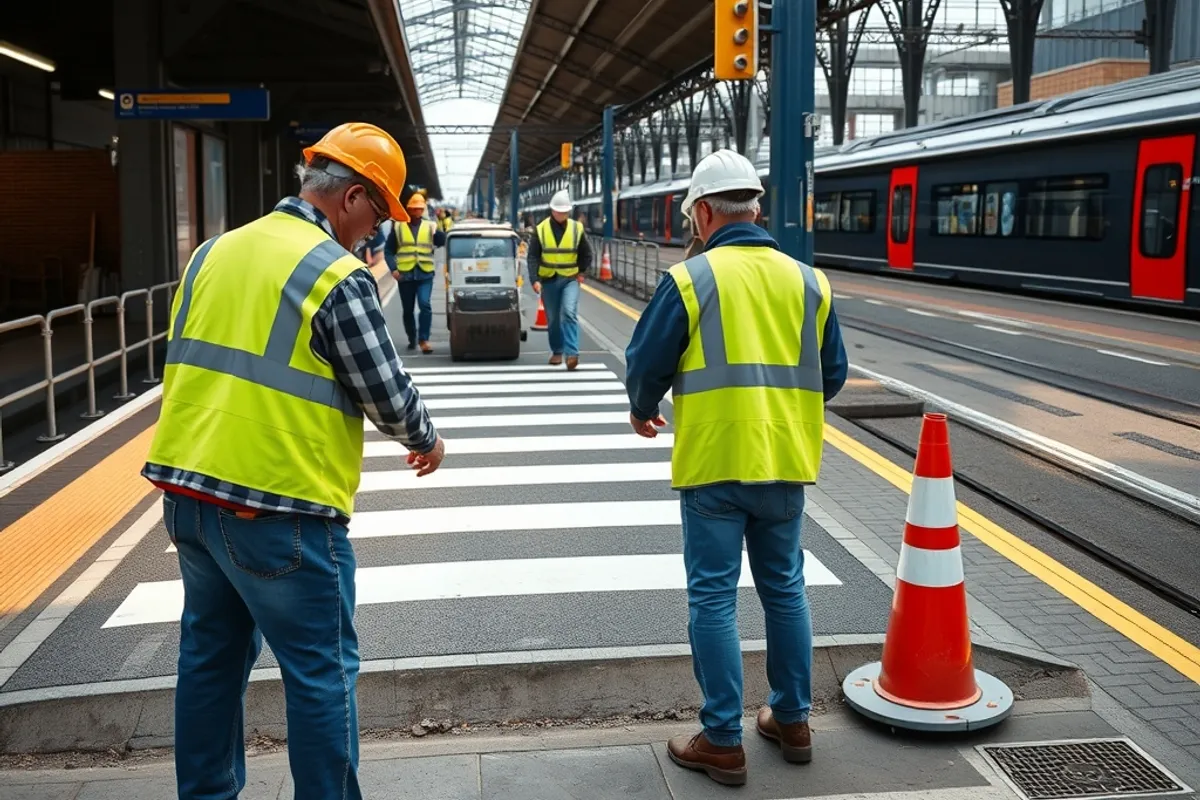
Step-free access, wider platforms and better lighting make transit usable for more people. They also take time. A rebuilt station may close a pedestrian route, move a bus stop or reduce parking for a year or more. Good projects publish a clear disruption plan and keep temporary routes simple. Bad ones change stops repeatedly without updating signs, which is how trust in a transit agency disappears.
Fares are a policy choice, not just a price
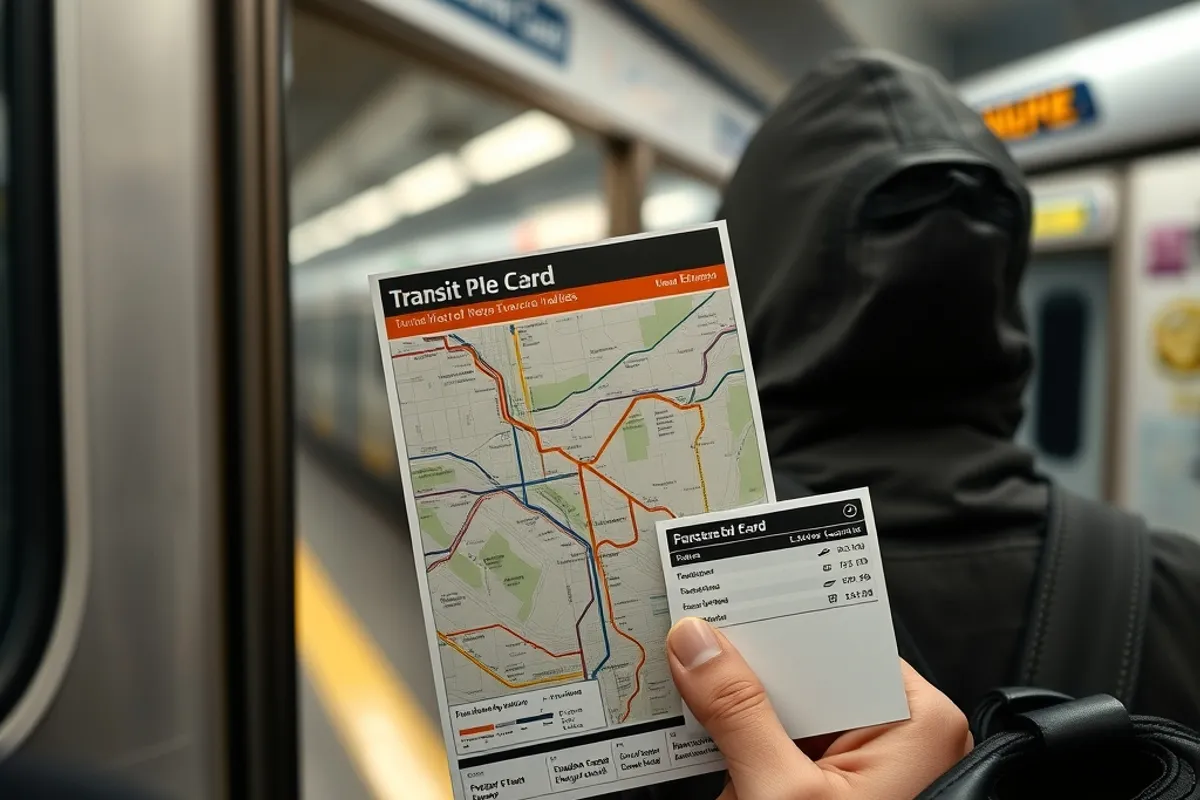
Fare changes reveal priorities. A flat fare helps short trips and occasional riders; distance-based pricing can be fairer for long journeys but harder to understand. Discounts for students, older residents and low-income households are often the most effective way to keep transit affordable. The design matters as much as the amount: a discount that requires an online application and a bank card excludes the people who need it most.
"A transit project succeeds when the bus arrives on time, the stop is easy to reach and the fare is easy to understand."
Accessibility is not a luxury add-on
A lift that works, a level boarding point and clear audio announcements determine whether a parent with a pushchair, a wheelchair user or an older passenger can travel independently. These features are often value-engineered out of early plans and added later at greater cost. Riders can ask whether the accessible route stays open during construction, not only after completion.
Construction disruption: what to expect
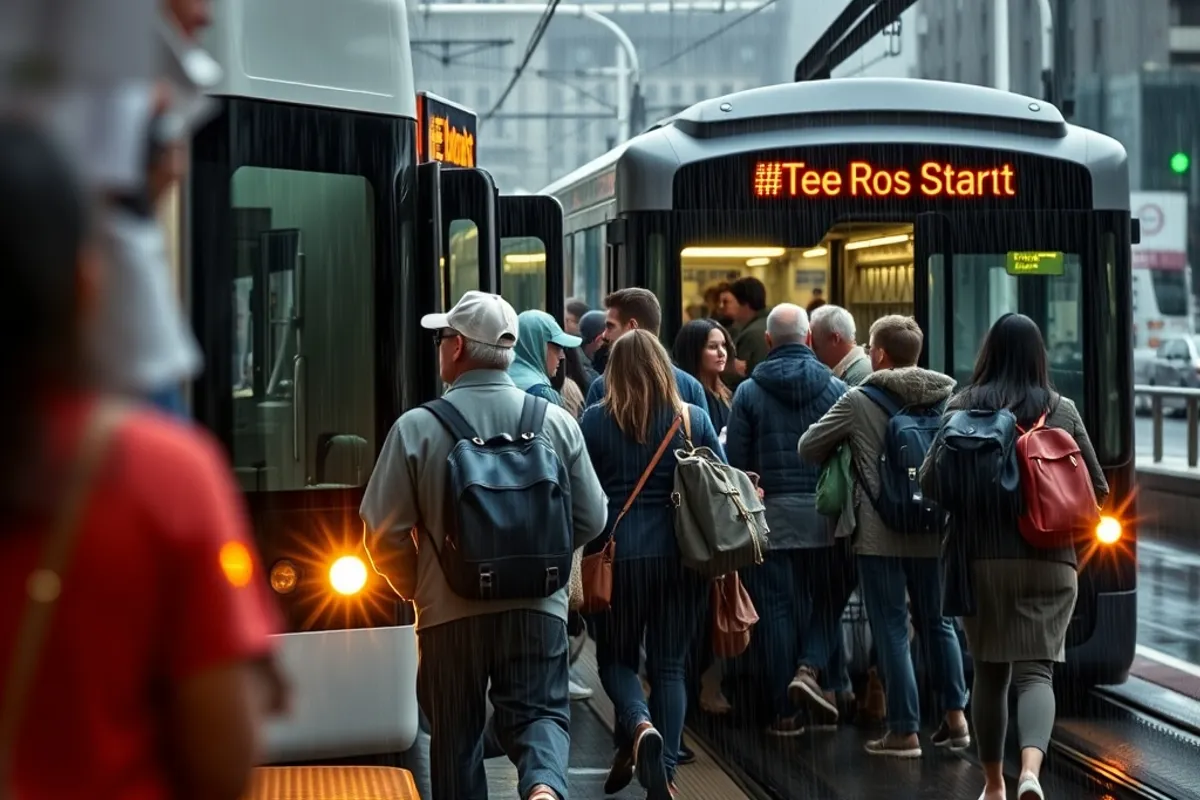
Expect temporary stops, narrowed pavements and changed traffic patterns. The worst disruption is usually at the start, when utility works uncover pipes and cables that were not on the drawings. Keep an eye on the agency's service alerts and test the new route on a non-work day before relying on it. If a temporary stop is unsafe, report it with a photo and a location; that is the kind of complaint that gets fixed.
How to judge whether a project is worth it
Look at three numbers: how many riders will gain a faster trip, how much the project costs per rider, and how well it serves people who have no car. A project that only shortens a commute for existing riders may still be worthwhile, but it is a different claim from one that expands access. Ask for the before-and-after data, not just the ribbon-cutting photo.

The bottom line
Transit upgrades are most useful when they are frequent, reliable and easy to use. Bus lanes and fare reform can deliver quickly; station rebuilds take longer and demand patience. Riders should follow the service changes on their own route and speak up when temporary arrangements are unsafe. For more local coverage, see our main street recovery report and browse Local News.