
Main Street Recovery 2026: Small Towns Rethink Empty Storefronts
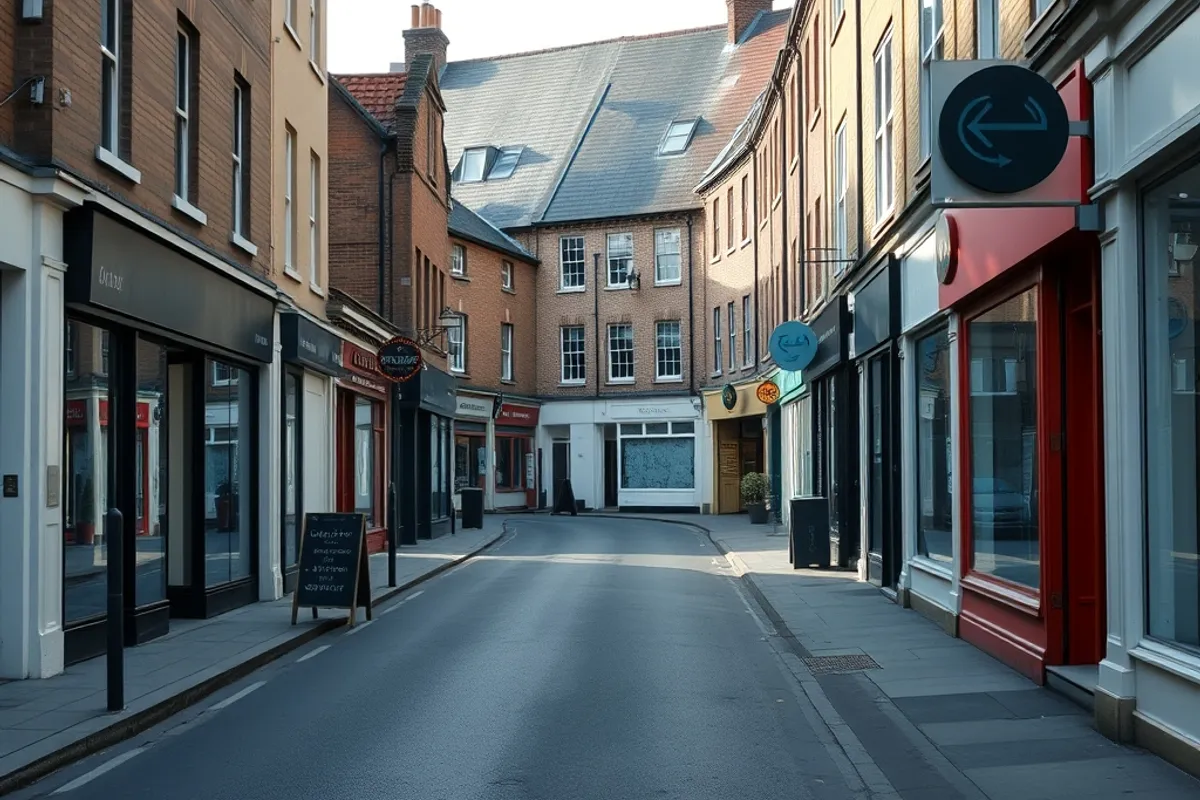
The empty storefront is the most visible sign of a town centre under pressure. It is also a misleading one. Behind the boarded windows there is often a workable building, a landlord waiting for a reliable tenant and a local group with an idea but no lease. Across small towns in 2026, the most interesting recovery projects are not grand redevelopments. They are small, practical deals that put people back into buildings.
Why vacancy persists
A shop can stay empty for years even when the town has customers. The reasons are usually financial rather than mysterious: the landlord wants a long lease, the tenant cannot afford the fit-out, and the building needs repairs that neither side wants to fund. Online shopping adds pressure, but it is rarely the whole story. Towns that diagnose the specific obstacle, building by building, make more progress than those that simply rebrand the high street.
Pop-ups and short leases lower the risk
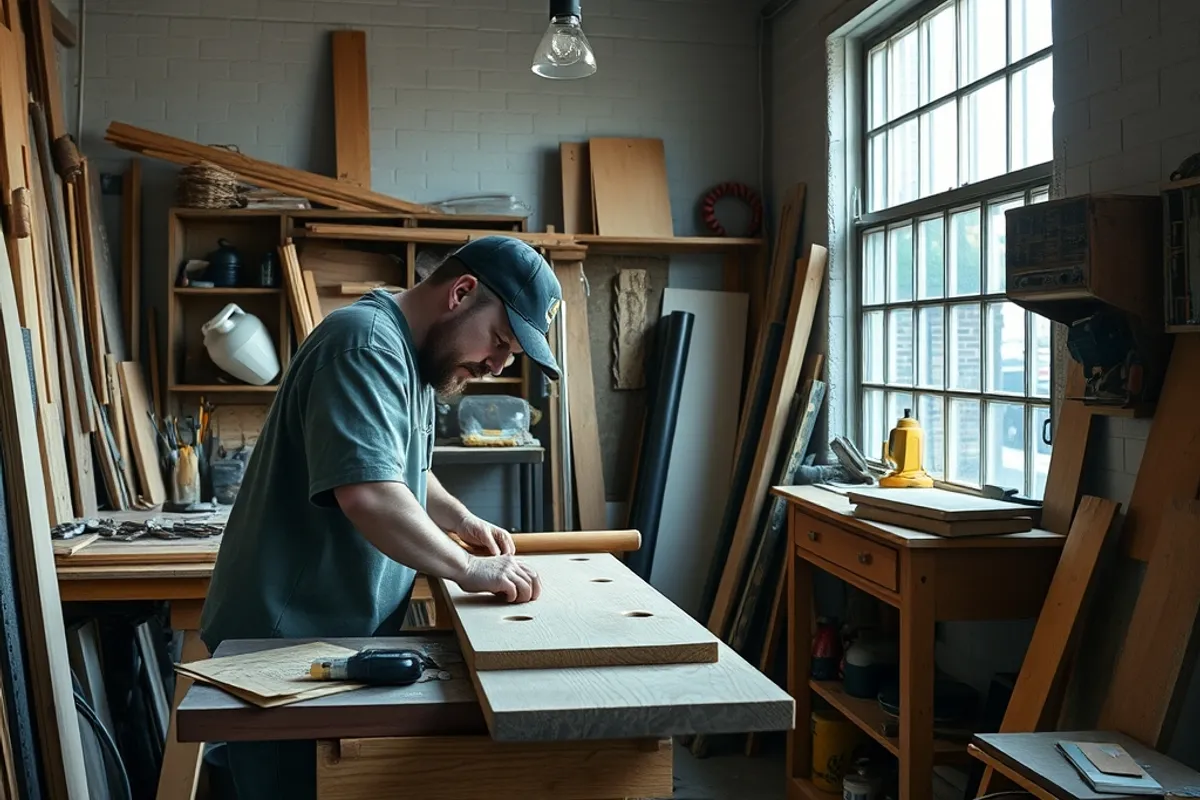
A three-month lease lets a new trader test an idea without betting a year of savings. Councils and landlords are using vacant units for markets, temporary galleries and shared workshops while a permanent tenant is found. The model works best when the space is clean, insured and easy to open, and when the pop-up has a route to a longer lease if trade is good. Without that route, it becomes a revolving door rather than a recovery.
Housing above the shops
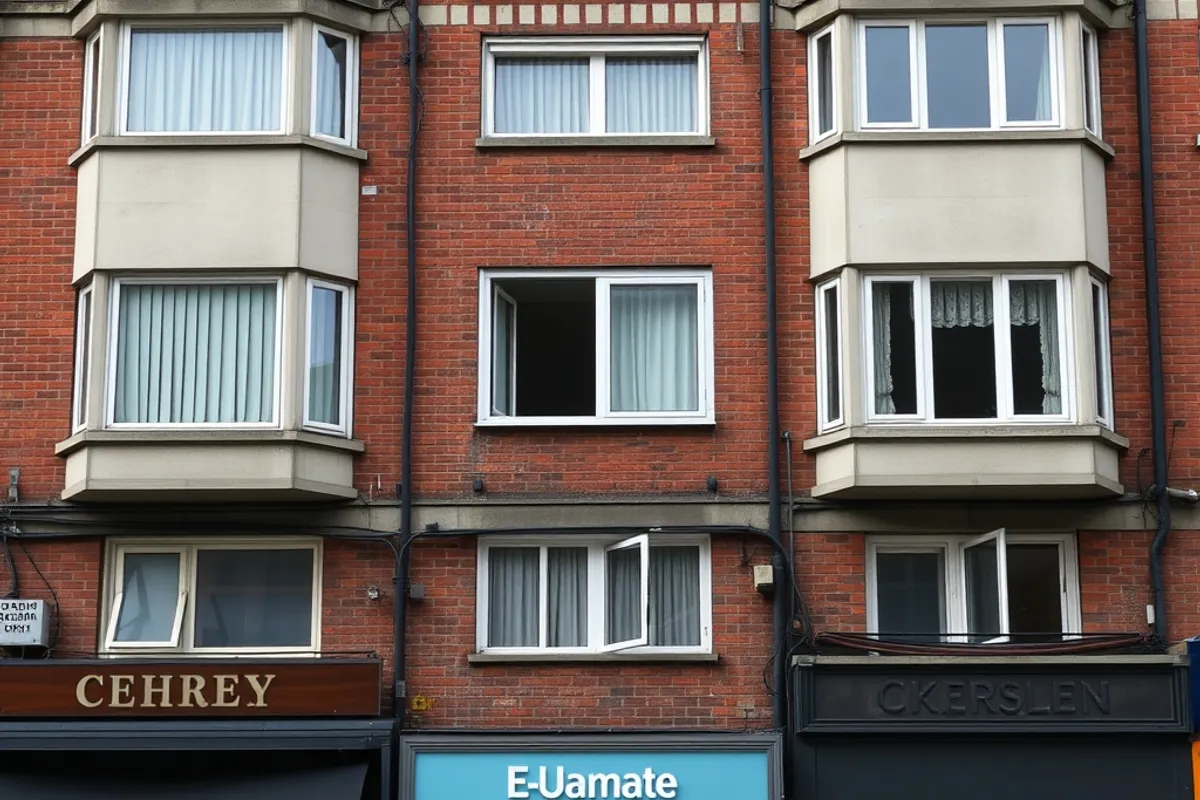
Many main streets have unused upper floors. Converting them into apartments brings residents who support local shops outside office hours and makes better use of existing infrastructure. The obstacles are fire safety, access, parking and the cost of bringing old buildings up to standard. Where those are solved, the result is a street that is busy in the evening rather than empty after five o'clock.
"A town centre recovers one occupied building at a time, not one slogan at a time."
What local councils can actually control
Councils control planning, licensing, parking, street cleaning and their own procurement. They can prioritise local suppliers, allow temporary uses, fund façade repairs and coordinate events. They cannot force a landlord to lower the rent or make a bank lend to a first-time owner. The most effective local strategies combine what the council controls with patient private partners, rather than waiting for a single large investor.
The businesses that are opening
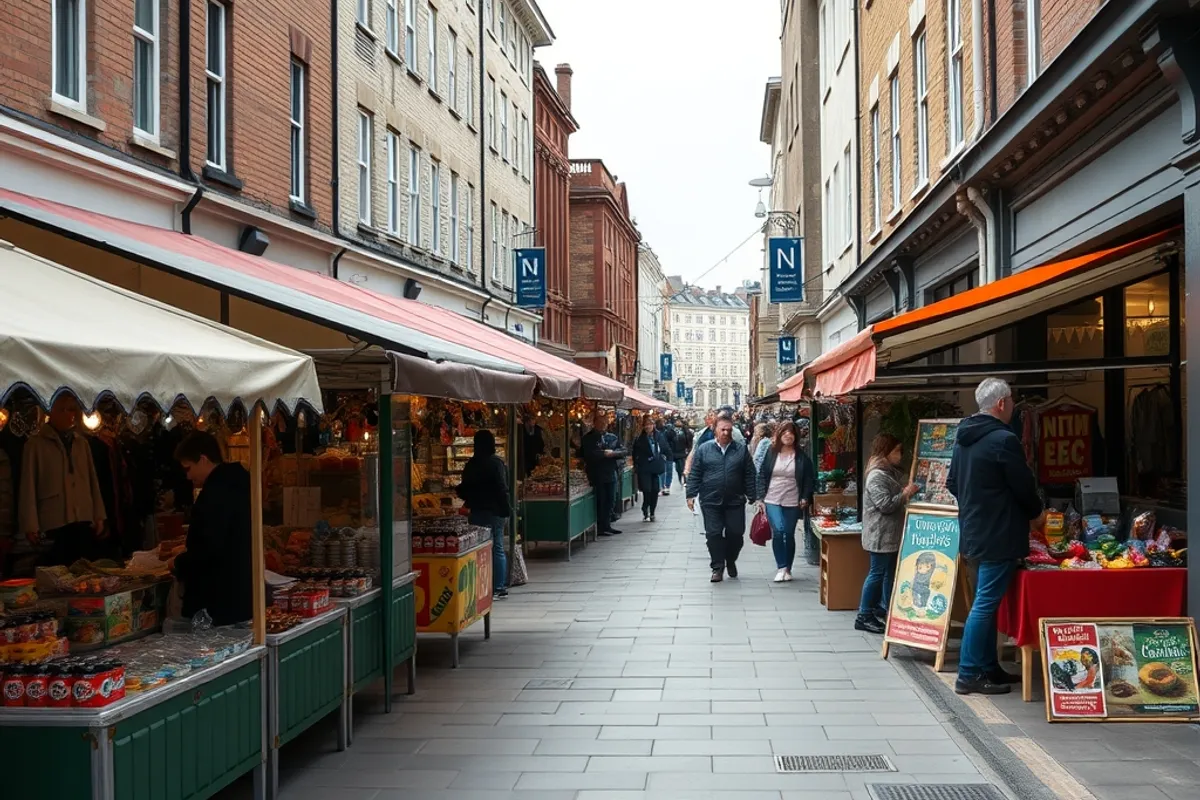
The new tenants are often services rather than traditional retail: repair cafés, barbers, small clinics, training rooms and food businesses. They need less stock and more space for people, which suits older buildings. Several towns report that shared kitchen space and cooperative workshops have been more durable than individual boutiques, because costs are shared and opening hours can be longer.
How to measure recovery
Count occupied units, not press releases. Track foot traffic on weekdays as well as Saturdays, and ask how many new businesses survive beyond two years. A street with a few stable tenants and regular events is healthier than one with a single flagship opening and a row of empty windows behind it. Residents can help by spending locally where they can, but the structural work belongs to owners and planners.
The bottom line
Main street recovery is incremental and unglamorous: shorter leases, repaired roofs, homes above shops and a steady calendar of reasons to visit. It works when the obstacles are named and shared, not when the street is treated as a branding exercise. For more local reporting, read our transit upgrades guide and browse Local News.