
Global Trade in 2026: Five Shifts Reshaping Supply Chains
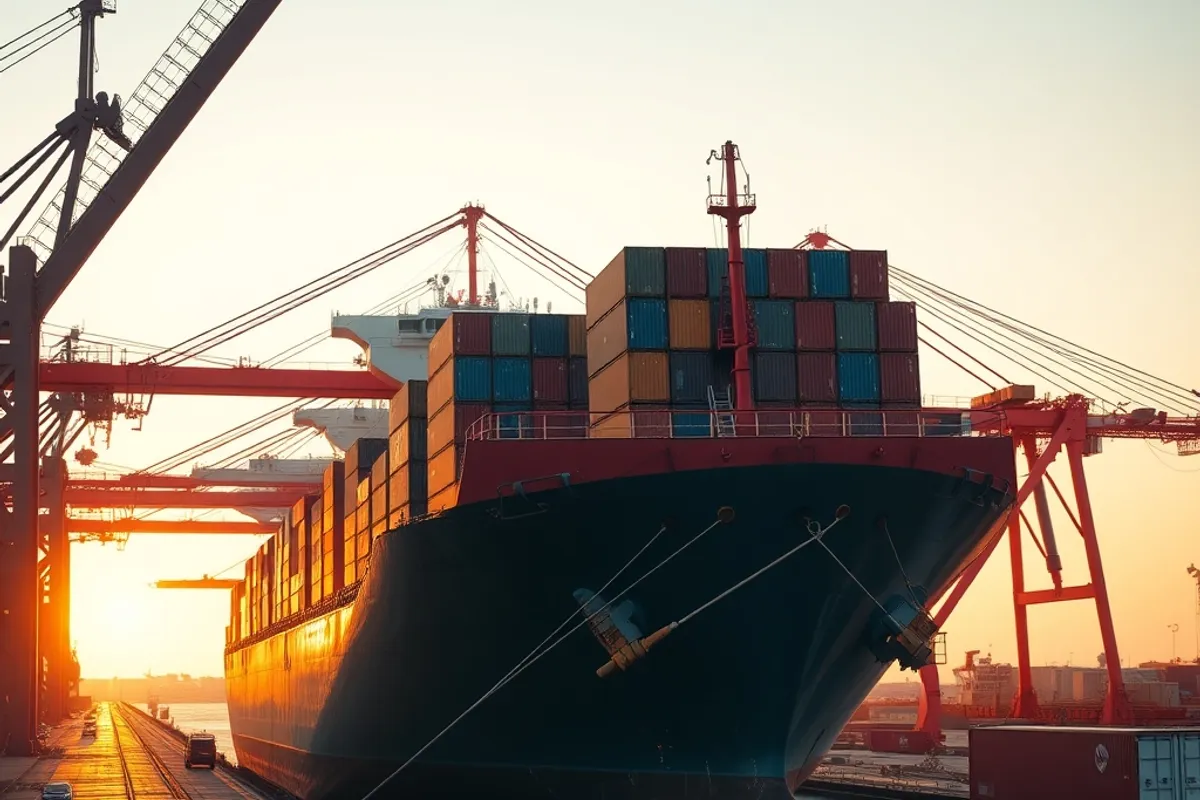
For three decades the default answer to almost every sourcing question was the same: find the cheapest supplier, put the parts on a ship and let the system sort out the rest. In 2026 that answer is no longer automatic. Companies are rebuilding supply chains around resilience, regional trade and digital paperwork, and the result is a quieter but deeper change than the tariff headlines suggest.
Why supply chains moved again
The first shock was the pandemic. The second was the realization that a single factory, a single port or a single border crossing could stop an entire product line. Since then, large buyers have been quietly adding second suppliers, moving final assembly closer to customers and holding more inventory than the lean models of the 2010s allowed. None of this looks dramatic in a quarterly report, but together it changes where warehouses are built and which routes carry the most traffic.
1. Regional trade is replacing the single global route
Trade within regions is expanding faster than the old long-haul pattern. Manufacturers in Europe are sourcing more from nearby countries, North American buyers are leaning on Mexico and domestic suppliers, and Asian producers are building shorter loops between their own markets. The motive is not sentiment but time: a truck that arrives in two days is easier to plan around than a container that may sit for two weeks. Regional trade also reduces exposure to a single canal, strait or port dispute.
2. Ports and rail are the new bottlenecks
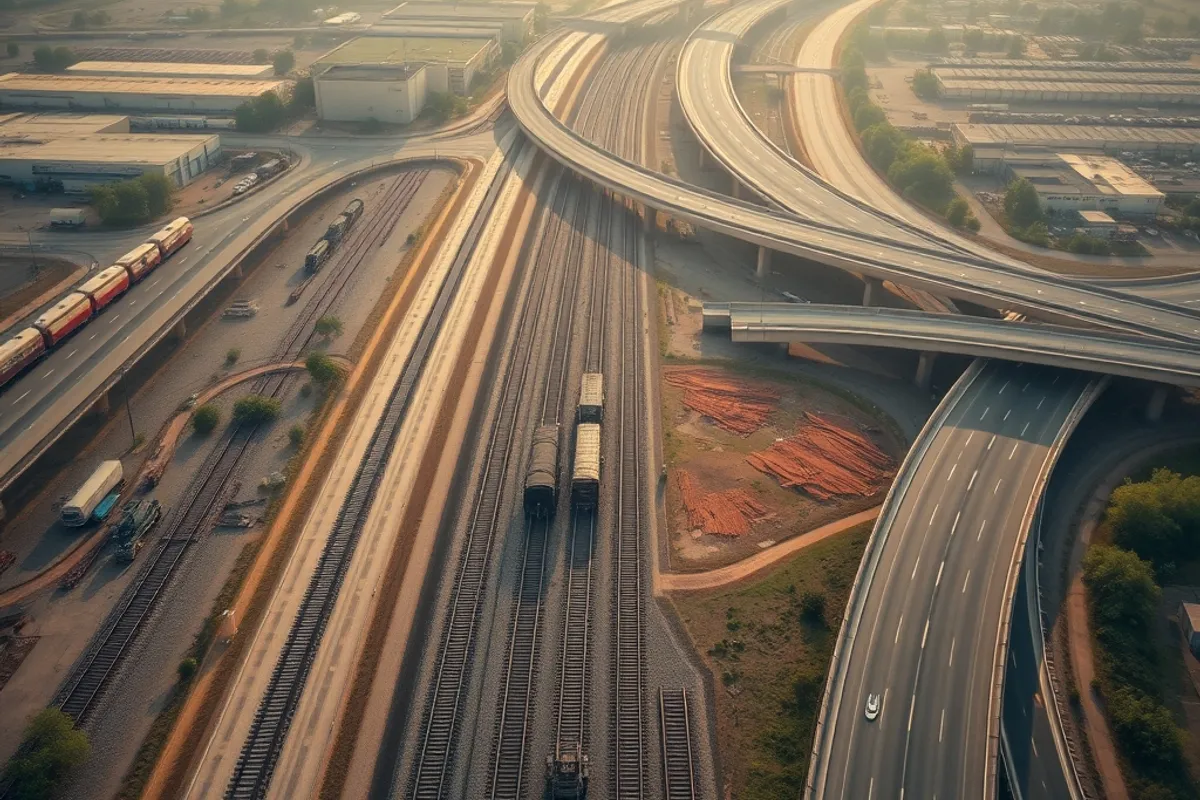
Factories can usually add a shift. Ports cannot. The constraint in 2026 is the fixed infrastructure between the factory gate and the shop shelf: berths, cranes, rail sidings, customs lanes and truck staging areas. Several major ports are investing in automation, but the gains arrive slowly and are unevenly shared. Rail freight is winning contracts because it is predictable, yet many networks still lack the last-mile connections that would make it genuinely competitive with road haulage.
3. Small exporters are going digital
The most encouraging shift is at the small end. Digital customs platforms, cheaper international payments and logistics marketplaces have lowered the cost of selling abroad. A workshop with a dozen staff can now list products in another country, calculate duties, book a courier and track the shipment without hiring a freight forwarder. That does not remove the complexity of rules of origin or product safety, but it turns exporting from a specialist project into an ordinary business task.
"The companies that coped best were not the ones with the cheapest supplier. They were the ones that knew where every component came from."
4. Tariffs are now a planning variable
Tariffs used to be a background cost that changed rarely enough to ignore. In 2026 they are a live variable that finance and operations teams model alongside fuel and wages. The practical response is not to guess the next announcement but to design products and contracts that can absorb a change: multiple approved suppliers, clear rules on who pays duties, and pricing clauses that do not collapse when a rate moves. Smaller firms often learn this the hard way, after a shipment is held and the margin disappears.
5. Warehousing is closer to the customer
The warehouse used to be a cost centre at the edge of the network. Now it is a service promise. Buyers expect two-day delivery, easy returns and accurate stock information, which pushes inventory toward cities and regional hubs. That creates tension with local planning rules and rising land prices. The winners are operators that can share space, use shorter leases and switch between storage, fulfilment and returns without rebuilding the building.
What companies should watch next
Watch three indicators over the next year: how quickly regional trade agreements are implemented, whether port congestion returns during peak season, and how many smaller firms actually convert export interest into repeat orders. None of these will make a dramatic headline, but they decide whether the current shift becomes a durable system or another temporary adjustment. For households, the effect shows up in delivery times and shelf prices more than in trade statistics.
The bottom line
Global trade has not ended; it has become more regional, more digital and more deliberate. Businesses that map their suppliers, test alternative routes and treat tariffs as a normal cost of planning will be better placed than those waiting for the old certainties to return. Read more international coverage in our World News section and our analysis of the 2026 climate summit.