
Climate Summit Outcomes 2026: What the Pledges Actually Change

Every climate summit ends with a stack of documents and a wave of competing interpretations. The 2026 meeting was no exception. Heads of state announced new finance packages, cities promised faster building standards and several large economies updated their adaptation plans. The question that matters is not what was said on stage but which commitments have a deadline, a budget line and a mechanism for checking progress.
What was actually agreed
The final text keeps the familiar long-term goals but adds detail on transparency. Large companies and public procurement bodies will face more consistent reporting on emissions and climate risk, and countries agreed to publish adaptation progress in a common format. That sounds technical, and it is, but common formats are what make promises comparable. Without them, every government can claim success using its own definition.
The finance gap remains the centre of the argument
Money was the dominant theme again. Developing countries pressed for predictable grants rather than loans, while richer governments pointed to existing pledges and private investment. The summit produced new commitments, but few came with a clear timetable. A pledge becomes useful only when a finance ministry books it, a project pipeline exists and communities can see the work begin. Until then it is a signal of intent, not a change on the ground.
Adaptation is moving up the agenda
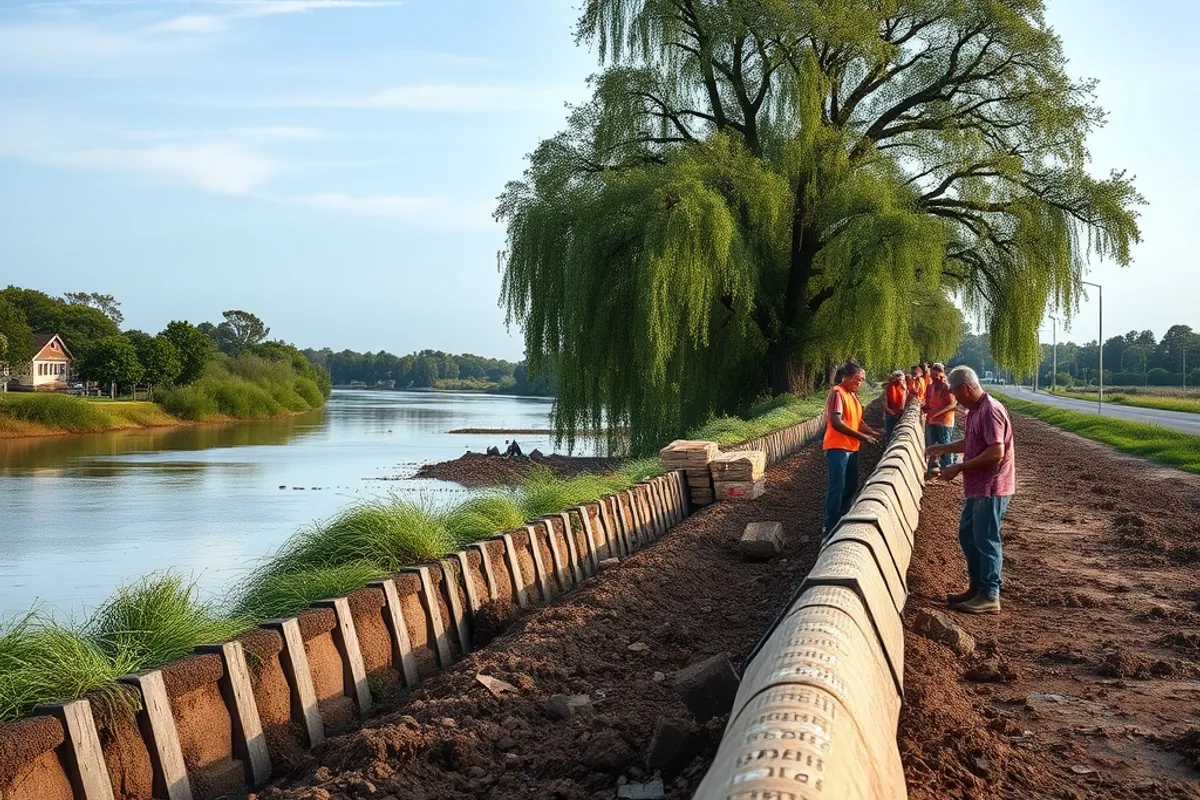
The strongest practical progress came on adaptation: flood defences, early-warning systems, heat plans and resilient water networks. These projects are less photogenic than a solar farm but they protect people now. Cities are also becoming more important players, because they control building codes, transport and local drainage. Several city networks used the summit to share procurement templates, which lets smaller municipalities buy resilient infrastructure without starting from scratch.
Energy transition: faster in some places, stuck in others
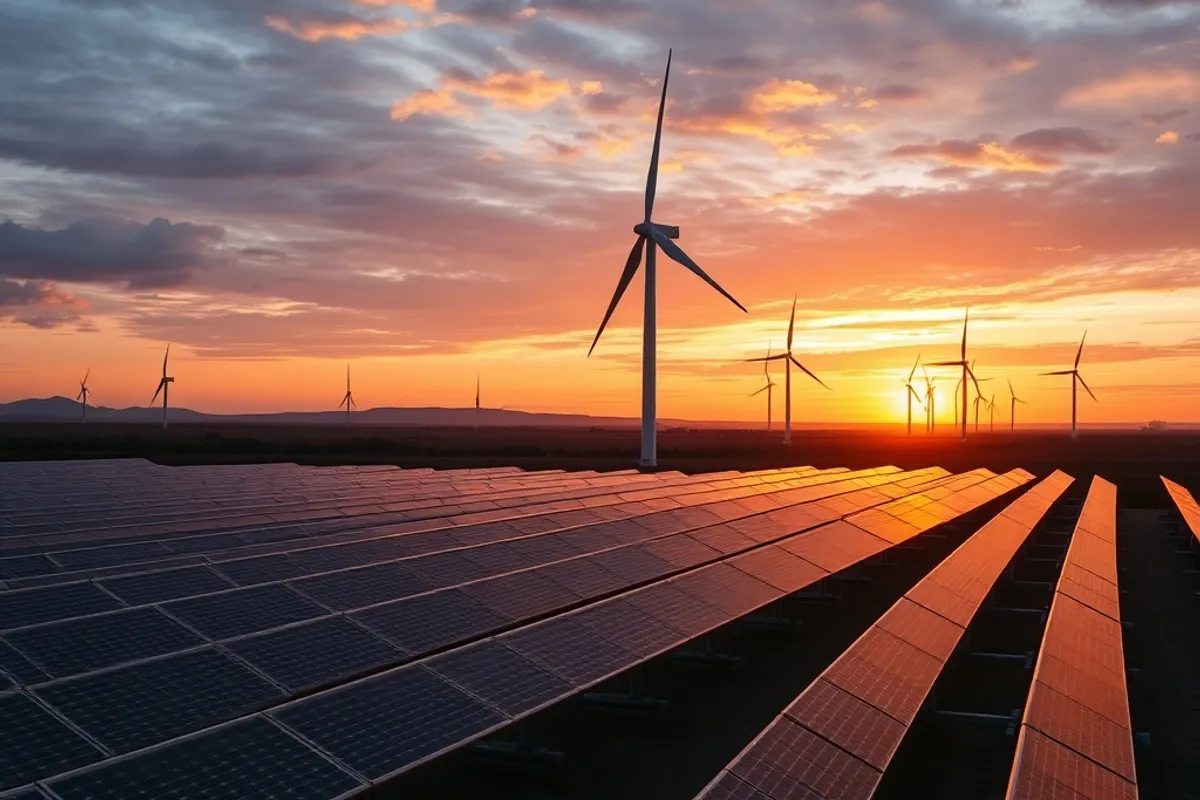
Renewable deployment continues to break records in markets with clear grid rules and stable permitting. The bottleneck is increasingly the network itself: transmission lines, storage and the ability to connect new projects quickly. Countries that streamlined permits before the summit are seeing faster construction; those that did not are still announcing targets rather than breaking ground. The lesson is unglamorous but consistent: grids and planning systems decide the pace.
"A climate pledge is only as strong as the budget, the permit and the inspection that follow it."
Accountability: the part to watch next
The summit asked countries to submit more detailed plans and to report progress annually. Watch the first round of submissions, not the closing speeches. Look for sector-by-sector numbers, named agencies and dates. A plan that says a country will "accelerate" a transition is weaker than one that says which plant closes, which grid connection is built and which budget pays for it. Journalists, investors and voters can all use the same test.
What it means for households and businesses
For households, the near-term effects are mostly local: insurance rules in flood-prone areas, building standards, energy bills and transport planning. For businesses, the reporting changes will matter first, followed by procurement rules that favour lower-carbon suppliers. Smaller firms should not wait for a perfect template; a simple record of energy use, transport and suppliers is enough to start, and it makes future compliance far less painful.
The bottom line

The bottom line
The 2026 summit advanced transparency and adaptation more than it advanced new money. That is real progress, but it is not the same as emissions falling. The next test is national implementation, where budgets and permits meet reality. For more global analysis, see our trade and supply-chain report or browse the World News section.