
Housing Costs 2026: Why Rents Are Still Rising in Major Cities
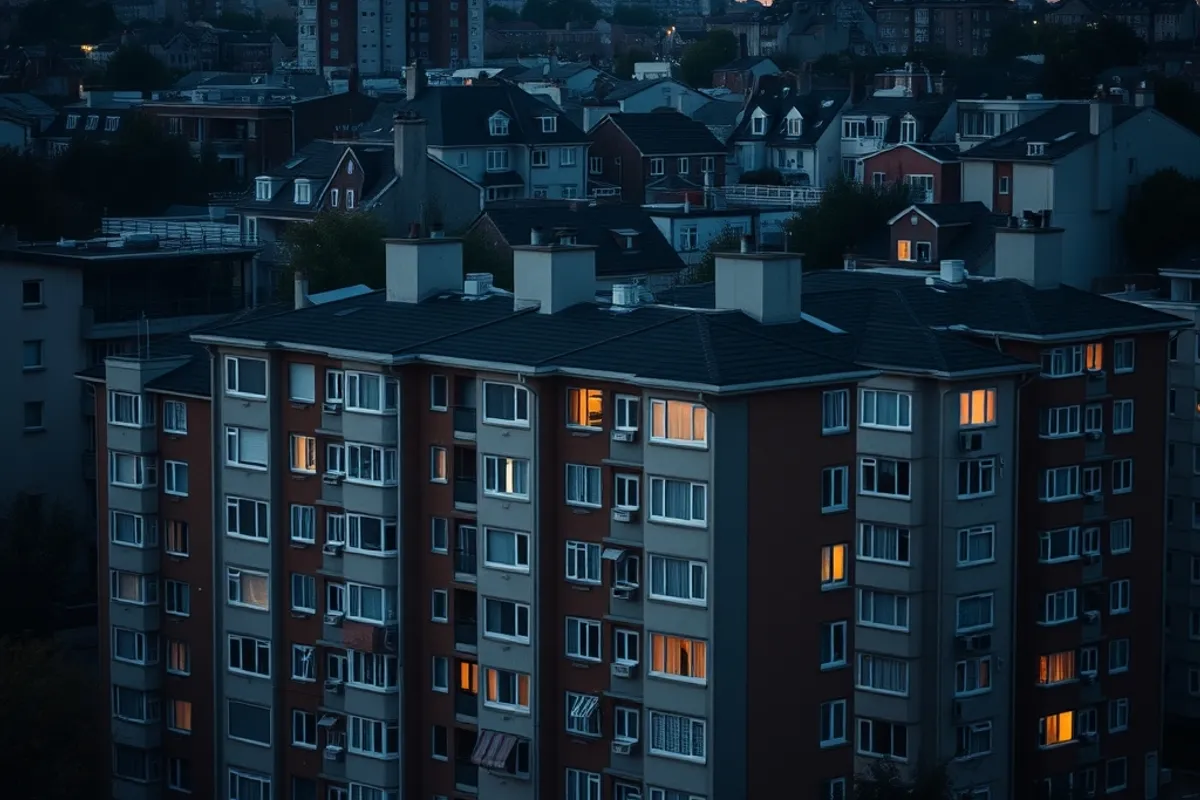
House prices have cooled in several markets, so why does rent still feel like it is running away? The answer is a timing problem. Rental demand responds to jobs and migration within months, while new housing takes years to plan, finance and build. In 2026 the gap between those two speeds is still wide, and it is being widened by construction costs, short-term letting and a rental stock that is ageing faster than it is being replaced.
Supply takes years, demand takes months
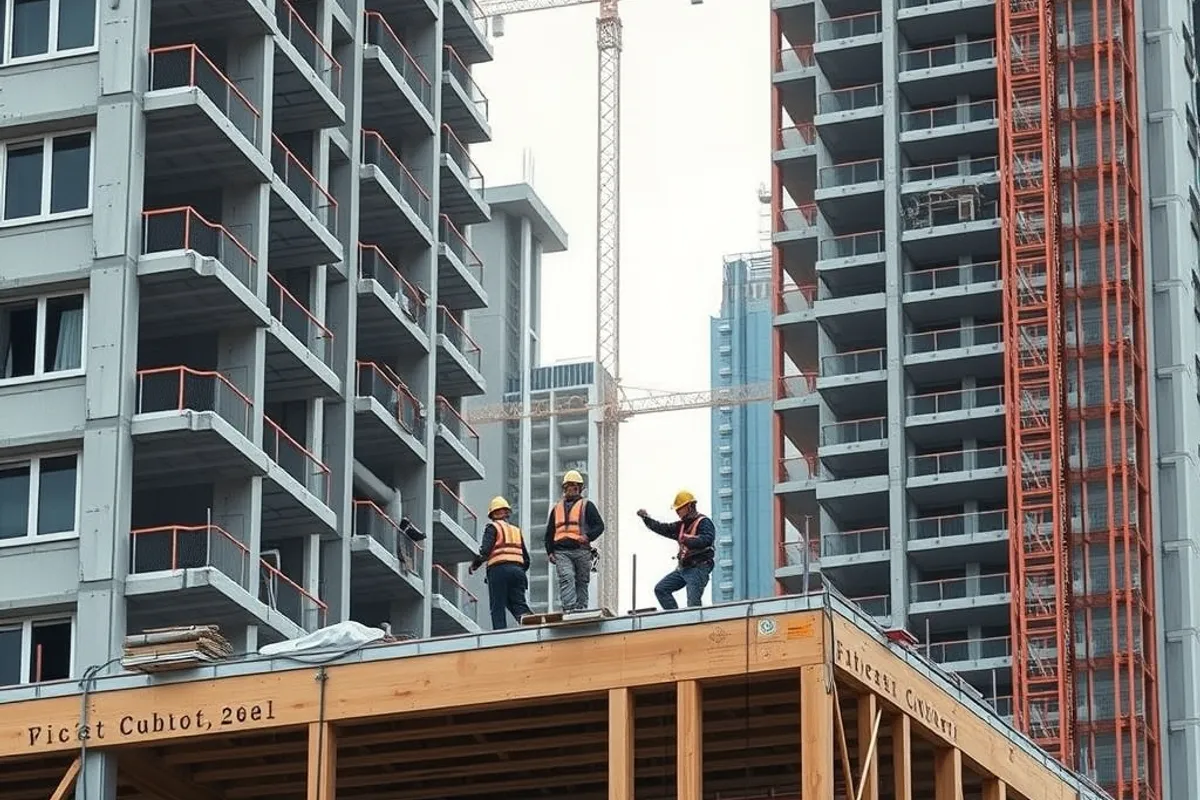
A new apartment block has to pass planning, secure finance, hire contractors and connect utilities before a single tenant moves in. A new employer can advertise fifty jobs in a week. When both happen at once, the housing system absorbs the shock through price. That is why rent can rise even while sales prices are flat: the people arriving need somewhere to live today, and the new homes are still three or four years away.

Construction costs have not returned to normal
Builders are still working through higher costs for materials, labour and insurance. Interest rates on development finance matter too, because a project that looked viable at a lower rate can fail at a higher one. When a scheme is delayed, the cost is not only the empty site; it is the households that stay in a tighter market in the meantime. Smaller developers are especially exposed, and they build a large share of the missing middle: modest apartment blocks rather than landmark towers.
Short-term letting competes with long leases
In tourist-heavy neighbourhoods, a flat can earn more from short stays than from a twelve-month lease. That is a legitimate income choice for owners, but it changes the local housing balance. Cities that require registration, caps or safety inspections have slowed the conversion of homes into informal hotels, yet enforcement remains uneven. The practical effect for renters is simple: fewer long-term homes and more competition for the ones that remain.
"Rent is the price of a shortage. You cannot fix it with a press release; you fix it with keys in doors."
Why renters feel the squeeze first
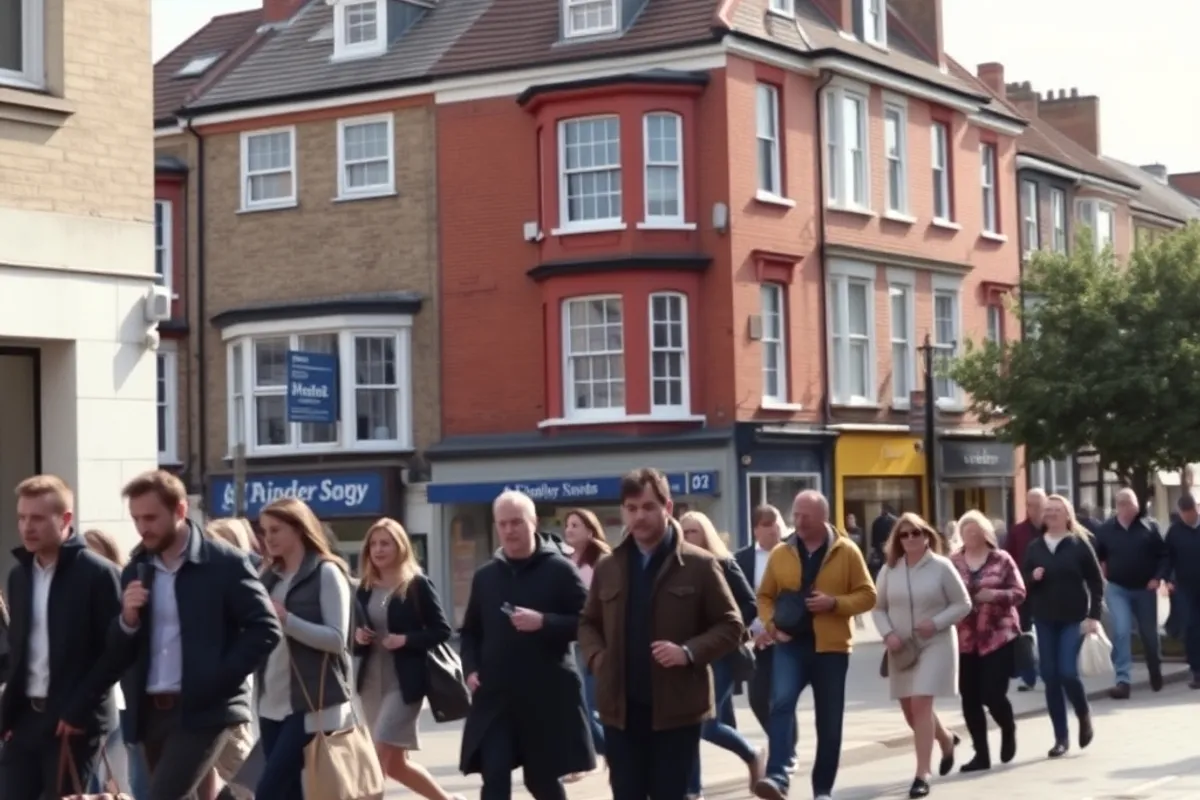
Wages have risen, but not enough to keep pace with housing in the most sought-after districts. Renters also carry costs that homeowners can defer: moving fees, deposits, agency charges and the risk of an unexpected notice. When a lease ends, the search begins again, often in the same tight market. Older renters and families with children are hit hardest, because they need stability and space that the cheapest units do not provide.
What policies are being tried
Governments are mixing three approaches. The first is supply: zoning reform, faster permits and public land for housing. The second is protection: limits on eviction, clearer notice periods and deposit rules. The third is subsidy: housing benefits that help tenants pay but can also push rents up if supply does not respond. None of these is a complete answer on its own. The most credible packages combine new homes, enforced standards and a benefit system that does not simply chase the market.
A practical checklist for renters
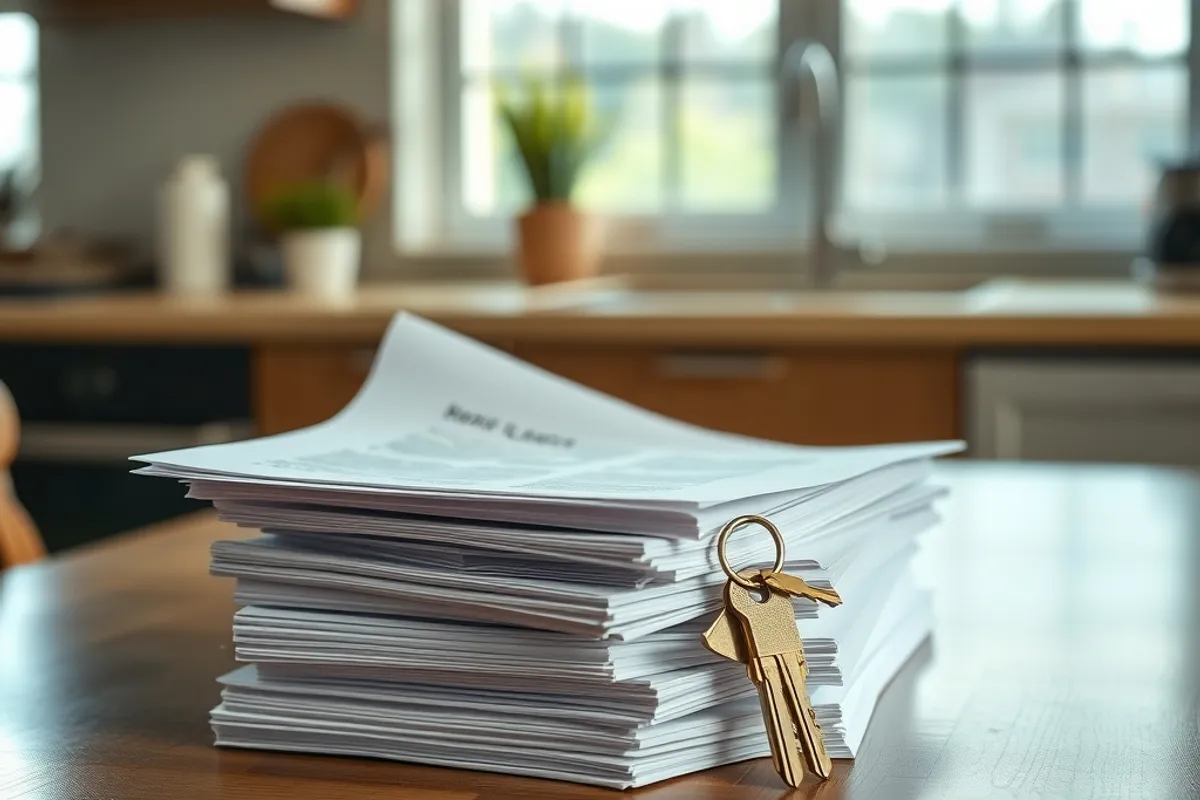
Before signing, photograph every room, test the heating and water pressure, confirm who holds the deposit and read the notice clauses. Ask what the rent includes and how increases are set. Check whether the building has a valid safety certificate and whether the landlord is registered where local law requires it. Keep copies of all messages and payments. These steps will not lower the rent, but they reduce the chance of a dispute turning into a crisis.
The bottom line
Rents are rising because the housing system cannot add homes as quickly as it adds households. The fix is not one policy but a sustained mix of building, protection and realistic subsidy. In the meantime, renters should know their rights and budget for the full cost of moving, not just the monthly figure. For more coverage of public policy, read our AI at work report and browse Current Affairs.