
AI Rules at Work 2026: What the New Rules Mean for Employees
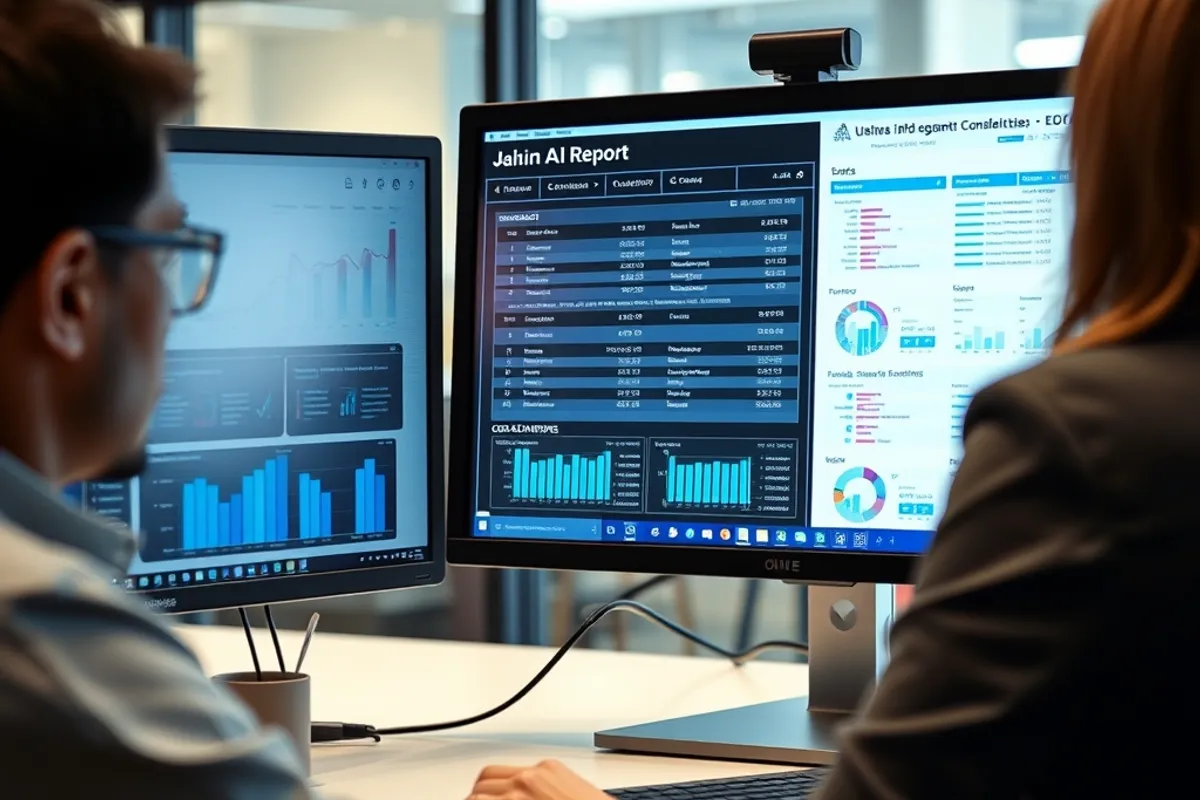
Artificial intelligence has moved from an experiment to an ordinary office tool. It drafts emails, screens job applications, schedules shifts and flags unusual activity. That convenience has created a rulebook problem: old employment law was written for human decisions, and it does not always say who is responsible when software makes or shapes a call about a person. In 2026, several jurisdictions are filling that gap with new duties on employers.
Disclosure is becoming the baseline
The clearest change is transparency. Employers are increasingly expected to tell workers when AI is used to assess performance, allocate work or support a disciplinary decision. The point is not to ban the tools but to make their role visible. A worker who knows a scheduling algorithm exists can ask how it treats availability, illness and caring responsibilities. A worker who does not know cannot challenge anything.

Hiring: keep a human in the loop
Automated screening can reduce the time spent reading applications, but it can also reproduce old patterns at scale. Regulators are focusing on three safeguards: a human reviewer for rejected candidates, a way to request an explanation, and testing for biased outcomes. Employers should also keep records of the criteria used. A vendor's claim that a model is fair is not evidence; it is a starting point for the employer's own review.
Monitoring: proportionate, explained, limited
Software that tracks keystrokes, location or screen time raises obvious privacy questions. The stronger legal test is proportionality: does the monitoring serve a clear purpose, is it limited to what that purpose needs, and have workers been told? Covert monitoring is the most risky, both legally and culturally. A warehouse that tracks pick rates for safety and planning is in a different position from an office that secretly records every pause.
"The question is not whether a machine can make the decision. It is whether a person can explain, challenge and correct it."
Copyright and company data
Employees are also being told what not to paste into public AI tools. Customer records, unpublished financials and confidential contracts should not be used to generate a summary unless the employer has approved that tool. Several organisations now publish a short list of permitted systems and a simple rule: if you would not email it to an outside address, do not paste it into a chatbot. That advice is blunt, but it prevents most accidental leaks.

What workers can reasonably ask for
Employees can ask whether AI is used in decisions about pay, promotion, scheduling or discipline, what data it draws on, and how to appeal an outcome. They can ask for training on approved tools and for clear rules on client data. They can also ask that productivity targets be reviewed by a person who understands the job. None of these requests requires technical expertise; they are ordinary questions about fairness and record-keeping.
What employers should do now
Start with an inventory of tools already in use, including the free ones staff signed up for without telling IT. Assign ownership, document the purpose, and review high-impact uses such as hiring and performance scoring. Train managers to explain decisions in plain language. Keep a log of incidents and complaints. These steps cost less than a legal dispute and make it easier to adopt better tools later.


The bottom line
The new rules are not anti-technology. They are a demand for accountability: disclose the use, test the outcome, keep a human able to intervene and give people a route to challenge. Workplaces that treat AI as a normal management tool, with normal obligations, will adapt fastest. For more policy coverage, see our housing costs analysis and the Current Affairs section.