
Youth Mental Health 2026: Why Schools Are Rethinking Support

Schools have always been expected to teach. In 2026 they are also expected to notice when a student is struggling, connect them to help and keep them engaged while they wait. That expectation is not unreasonable, but it has arrived without a matching increase in counsellors, training or time. The result is a patchwork of good practice and well-meaning improvisation, and the families caught in it often discover the gaps only when something goes wrong.
Demand has grown faster than staffing
Referrals to school support services have risen in many districts, while counsellor numbers have moved slowly. A single counsellor may cover hundreds of students, which makes individual therapy impossible and pushes the role toward triage. Good schools respond by dividing the work: teachers handle everyday belonging, trained staff handle risk, and outside services handle specialist care. Schools that expect one person to do all three burn out the person and miss the students.
Early identification beats crisis response
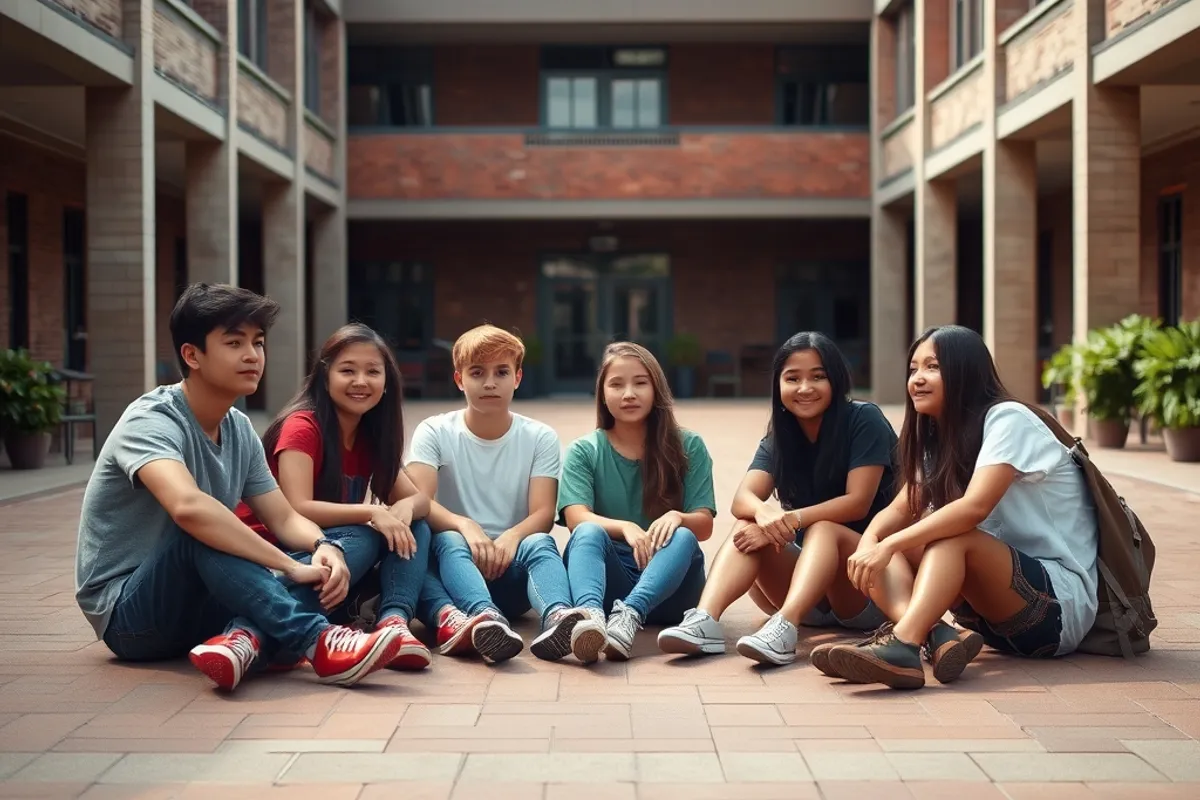
The most useful change is earlier identification. Simple, repeated check-ins can flag a student who has stopped attending, withdrawn from friends or lost interest in work. The data is only useful if it triggers a conversation with a named adult. Screening without a follow-up pathway can make things worse, because it raises expectations and then leaves the student waiting. Ask what happens after a concern is raised, not just how concerns are detected.
Small groups and consistent adults
Advisory groups of ten to fifteen students, led by the same adult through the year, give young people a predictable point of contact. The adult does not need to be a therapist; they need to notice changes and know where to refer. Students consistently say the relationship matters more than the programme name. Schools that protect that time, rather than filling it with administration, report better attendance and fewer crises.
"Young people rarely ask for help from a service. They ask for help from a person they trust."
The phone debate is not the whole answer
Restrictions on phones during the school day can reduce distraction and improve conversation, but they do not create support by themselves. The more important questions are what replaces the phone: breaks with activities, quiet spaces, and adults who are available. A ban without those alternatives can simply move conflict elsewhere. Families should look at the whole day, not only the classroom rule.

What families can ask
Ask who the school's designated contact is, how concerns are recorded and what the expected response time is. If a child is already receiving outside support, ask how the school will coordinate rather than duplicate it. Ask what happens during holidays and exams, when routines change. Keep copies of messages. A calm, specific question is more useful than a general complaint, and it gives the school something it can actually act on.
Workforce and funding realities
Specialist services are expensive and scarce. Schools cannot solve that alone, but they can avoid wasting the capacity they have: clear referral routes, protected counselling time and training for staff who are most likely to notice a problem. Funding should follow the pathway, not the launch event. A programme that trains every teacher but provides no one to refer to is not a mental health service; it is awareness with no exit.
The bottom line
The schools making progress are not those with the loudest campaign. They are the ones with a named adult, a simple referral route and a follow-up that does not depend on a student asking twice. Families should ask concrete questions and keep asking them. For more social coverage, read our childcare analysis and browse Social Issues.