
Weather and Travel Update 2026: Planning Around a Volatile Season
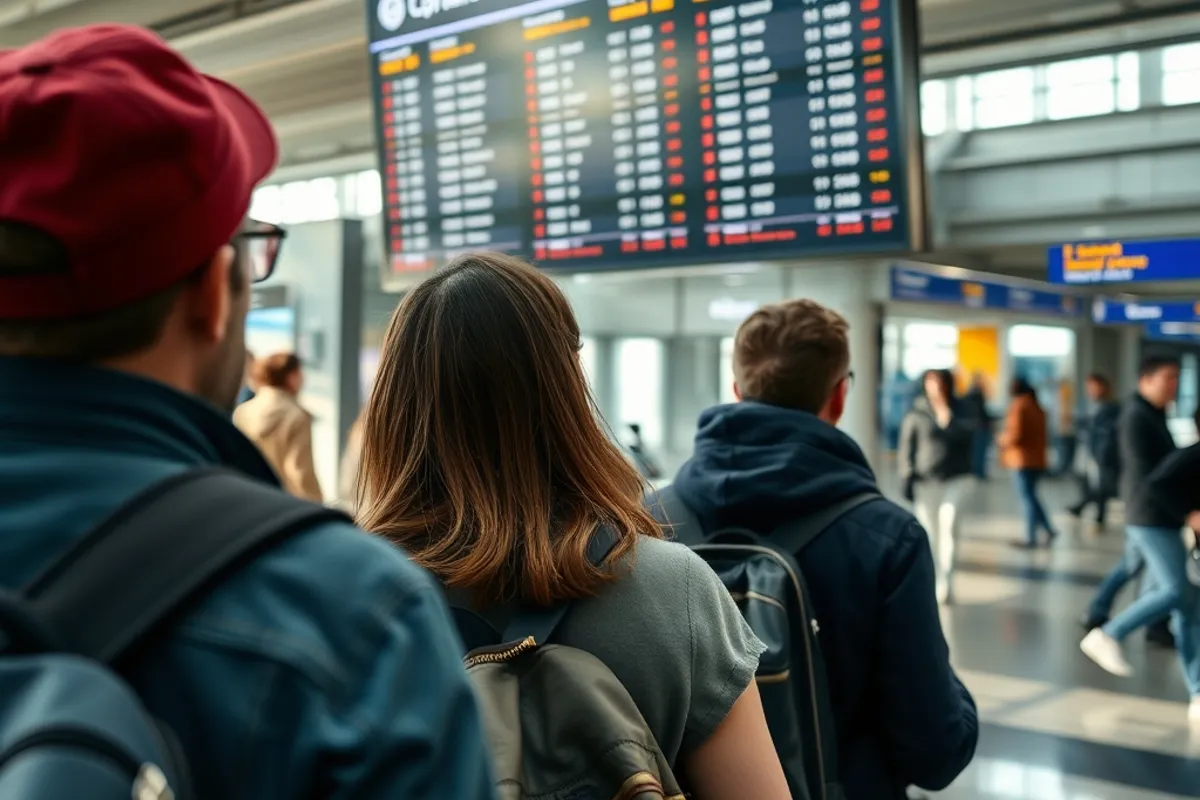
Travel has always depended on the weather, but the margin for error feels smaller in 2026. A heatwave can slow rail services, a sudden storm can close a road and a single cancelled connection can turn a short trip into an overnight problem. The good news is that most of the disruption is predictable enough to plan around. The bad news is that many travellers still book as if the schedule is guaranteed.
Start with the forecast, not the itinerary
Check a national weather service and the transport operator's own alerts, not just a generic phone app. Forecasts are most reliable a day or two ahead, so build a final check into your packing routine. If a severe warning is issued, decide before you leave whether to travel, delay or change the route. Making that call at home is far easier than making it on a platform with a child and three bags.
Heat changes how transport works
High temperatures affect rail tracks, road surfaces and aircraft performance. Trains may run slower, and outdoor work may pause during the hottest hours. Carry water, wear a hat and avoid scheduling the most strenuous part of a journey in the middle of the day. If you take medication or travel with someone vulnerable, keep it cool and check the provider's heat policy before departure.
Storms and flooding: the backup plan matters
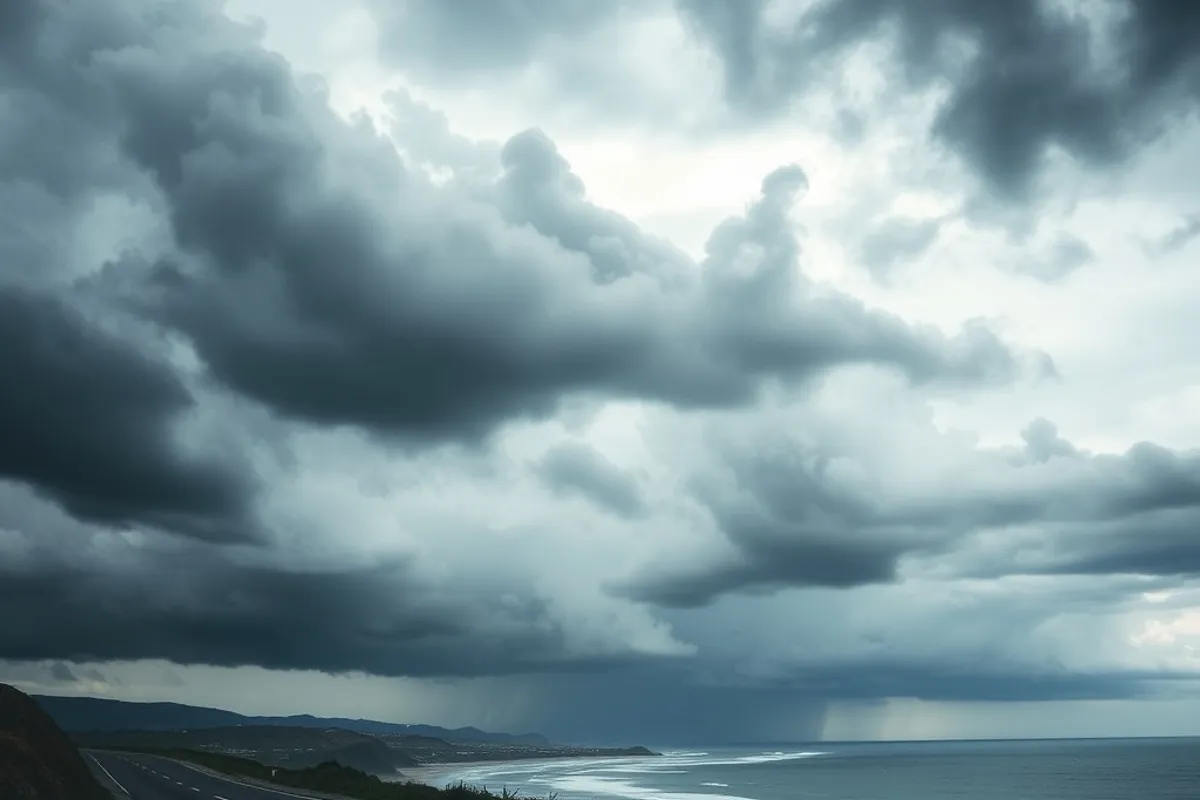
A storm can close a road faster than an app updates. If your route crosses a river, a coast or a low-lying area, identify an alternative in advance. Never drive through standing water; the depth and the road beneath it are unknown. For rail travel, keep your ticket flexible where possible and screenshot the operator's disruption contact details. A charged phone and a power bank are not luxuries in a prolonged delay.
"A travel plan is not complete until it includes the sentence: if this route closes, we do this instead."
Bookings and insurance
Read the cancellation terms before you pay. Flexible rates cost more, but they can be worth it during a volatile season, especially for flights with tight connections. Travel insurance should cover the risks you actually face: medical care, evacuation, delays and lost baggage. Check whether weather disruption is excluded and how a claim must be documented. Keep receipts and confirmation emails in one folder, online and offline.

A simple packing list for unpredictable days
Bring layers rather than a single heavy coat, a refillable water bottle, a small first-aid kit, a power bank and a printed copy of the most important booking details. Add any medication, a light rain shell and comfortable shoes. For a family, divide essentials between bags so one lost case does not remove everything. These items weigh little and solve most of the problems a delay creates.
When to change the plan
Change the plan when an official warning is in force, when the operator has already cancelled a service, or when the alternative route is also unsafe. Do not change it because a social media post predicts catastrophe; check the source. If you are already travelling, follow staff instructions and avoid shortcuts through areas you do not know. The goal is not to save the itinerary at any cost; it is to arrive safely.

The bottom line
Volatile weather rewards preparation and punishes rigid plans. Check official sources, leave a buffer, know your alternative and keep the essential documents with you. None of this removes uncertainty, but it turns a potential crisis into an inconvenience. For more daily coverage, read our weekly briefing or browse Daily Updates.